




17 Dec What Skiing Teaches About Performance and Presence
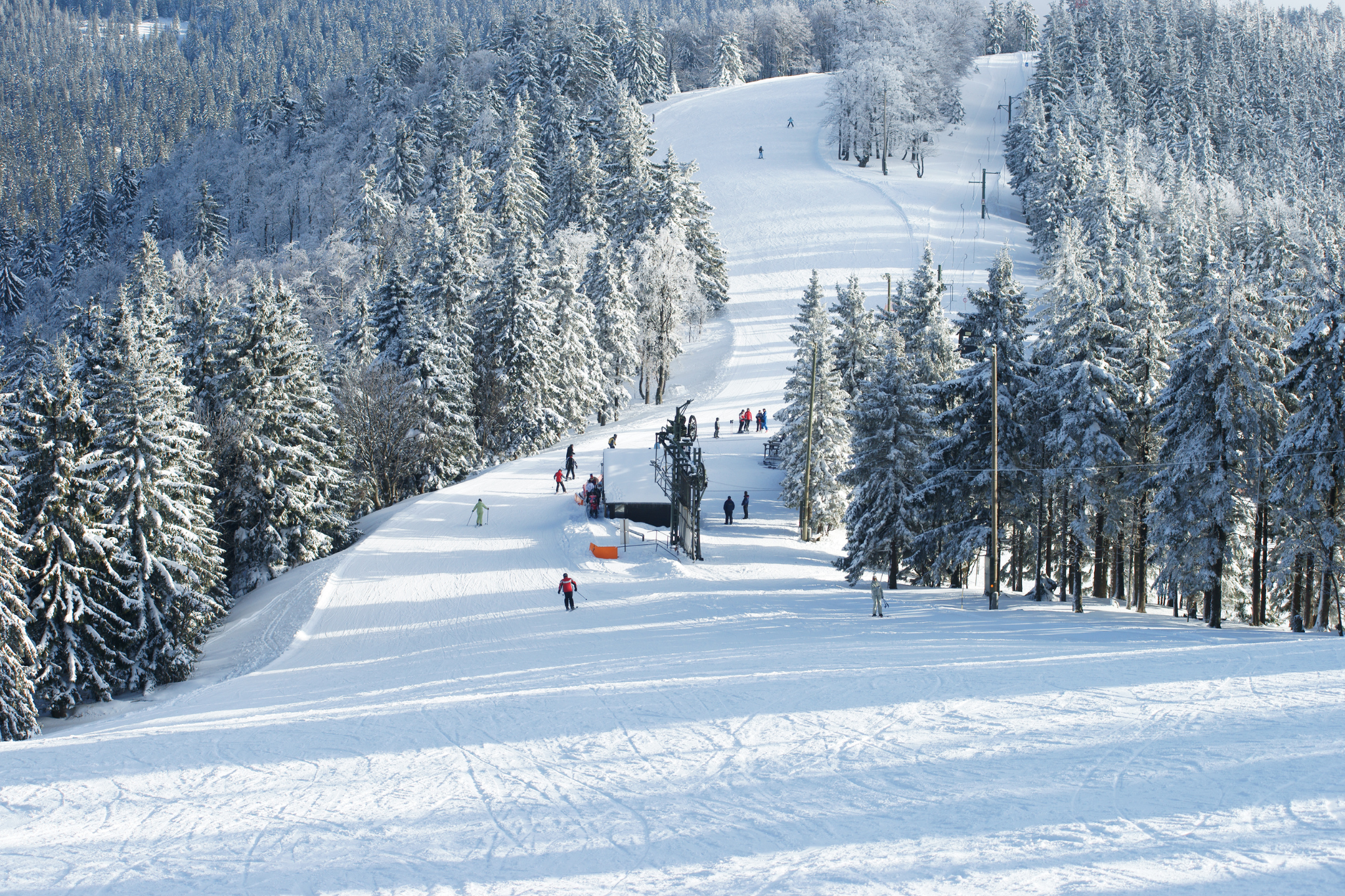
There’s a moment in skiing when control and chaos meet. Speed builds, terrain shifts, and every muscle, every thought, is called into the present. Unlike many sports, skiing places athletes in a constantly changing environment — snow, weather, slope, altitude — where no two runs are the same. This is why skiing is more than a winter pursuit. It is a living classroom for resilience, adaptability, and presence.
At Uprising, skiing isn’t only about movement down a mountain. It’s about training the body and mind to perform in dynamic, unpredictable conditions — a philosophy that carries far beyond the slopes.
Balance in Motion: Stability Through Instability
Skiing demands balance not in stillness, but in movement. Every shift of snow beneath the skis requires micro-adjustments in ankles, knees, and core. Neuroscience research shows that training balance in unstable conditions improves neuromuscular coordination more effectively than static drills.
The lesson? Real stability is built not by holding a perfect stance, but by learning to adapt fluidly to constant change. Skiers embody this every run, teaching athletes in every discipline that control is not rigidity — it is responsiveness.
Altitude and Adaptation: Skiing as a Physiological Stressor
Most ski environments are at altitude, where oxygen availability is reduced. This hypoxic stress challenges the cardiovascular system, forcing the body to produce more red blood cells and improving oxygen transport — adaptations that carry over to endurance performance at sea level.
At Uprising, we see skiing not only as a sport, but as natural altitude training: a stressor that, when paired with recovery, builds resilience and capacity across the board.
Risk, Fear, and Decision-Making at Speed
Skiing also demands psychological strength. The risks are real — high speed, variable snow, shifting visibility. Athletes must make rapid decisions under pressure, a process that sharpens mental resilience and emotional control. Sports psychology research confirms that exposure to managed risk builds stronger stress-response systems, improving decision-making under uncertainty.
Skiers learn to respect fear, not silence it. Every descent becomes practice in listening to instinct, calibrating risk, and choosing action with clarity.
Flow in Nature: The Transcendence of the Descent
Perhaps more than any other sport, skiing offers access to flow — that elusive state of total immersion where time dissolves and effort feels seamless. Flow states are strongly correlated with sports performed in natural, dynamic environments where challenge and skill are perfectly matched.
On the mountain, this can feel like flying. The skier merges with terrain and gravity, experiencing a presence so complete it transcends training. This is not just performance — it is meaning.
Skiing as Teacher
Skiing is often seen as leisure or competition, but at its core, it is one of the purest training grounds for human potential. It teaches balance in motion, resilience in thin air, composure under risk, and the possibility of flow in the wild.
At Uprising, we embrace skiing not only as a sport but as a philosophy: an invitation to dance with uncertainty, to adapt in real time, and to discover who we are when the mountain becomes our coach.

No Comments